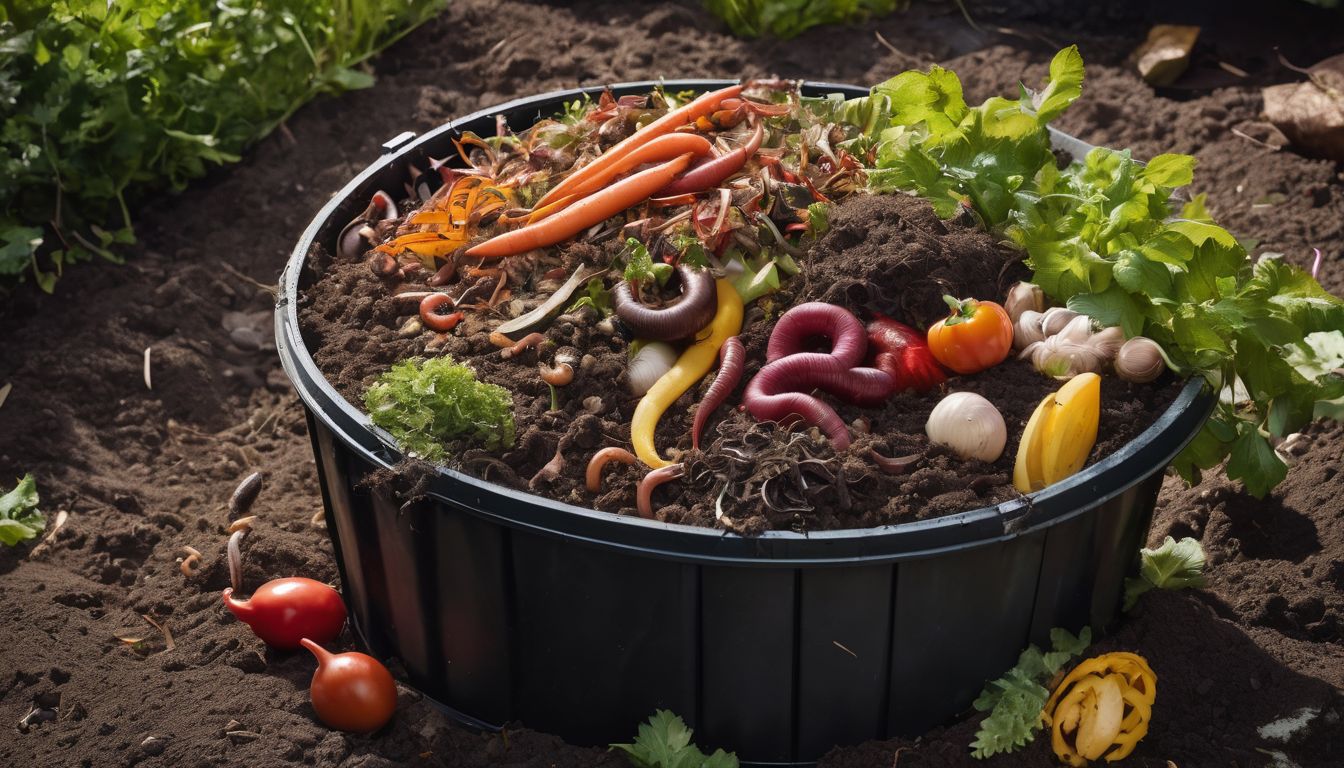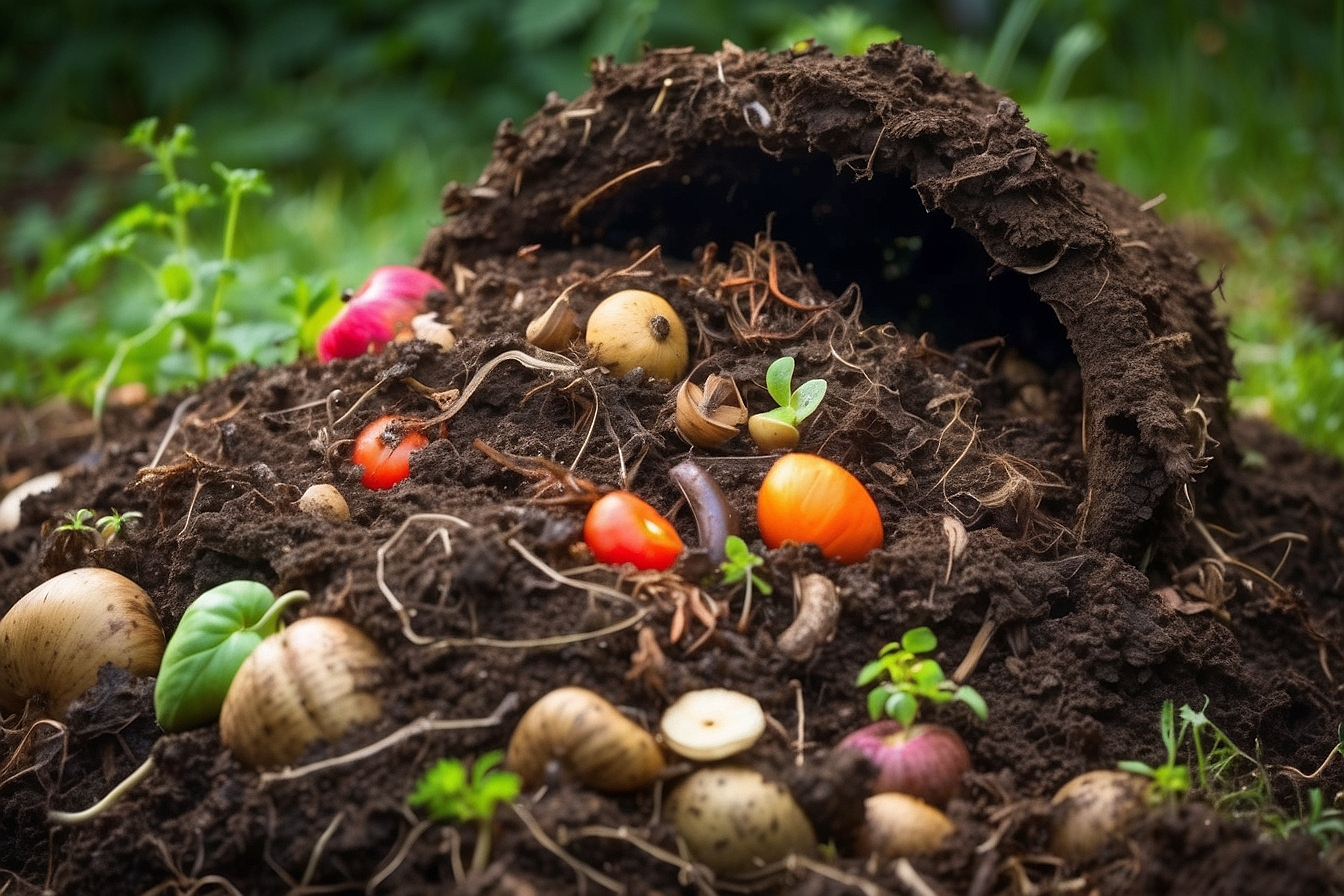
Have you ever eaten at your local restaurant or coffee shop and seen those green bins labeled “compost only”? Well if you are like me and stand there with your cup, fork, spoon, and plate in hand wondering which bin to put each thing, you have come to the right place.
What is biodegradation and how is it different from composting?
Composting has been a household name for over 100 years, with many homeowners used to throwing food scraps into a bin in their backyards. When food and other nutrient abundant “waste” products are gathered together, a host of naturally occurring microbes (extremely small organisms) goes to work. The microbes process the complex waste and break it down into simpler compounds in a process known as biodegradation (literally biological degradation). Once broken down, these smaller molecules and minerals make for nutrient rich soil and compost that can be used to grow vegetables or other crops.
How did biodegrable products begin?
In the 70s and early 80s there was a growing concern over the mass amounts of trash and plastic in landfills. After years of testing and research, in 1973 it was discovered that polyester, a plastic component, could be biodegraded. As a result, many companies and environmentalists pushed for research and eventually began pumping out the first biodegradable plastic products in the early 1980s. To the surprise of consumer analysts, consumers were willing to pay the marked higher price for these environmentally friendly alternatives. Today you can find biodegradable products across the health, food, packing, service, and waste industries.1 There are even companies making biodegradable plastic out of poop!
What types of biodegradable products are on the market?
While a huge range of biodegradable plastics, cardboards, and products exist, it is predominantly the food and household goods industries in which we come across biodegradable materials most often. You may have eaten at your local deli or take-out hot spot and noticed that the food containers, cups, plates, and utensils all look different from the ones you grew up using. That is probably because you are using biodegradable products! The hot cups are most likely made from biodegradable cardboard, the plastic from corn based polymers, the utensils from corn stalks, and the plates from sugarcane stalks.
What are biodegradable products made from?
While a multitude of different products exist with different applications and purposes, so do the starting materials. Originally made from petroleum byproducts, biodegradable products are now made from almost any completely organic material! Here are some of the more commonly found biodegradable materials found on the market:
- PLAs – A plant-based plastic made from materials harvested typically from cane sugar or glucose, along with biodegradable polymer. They make the clear plastic deli containers you put salads into at your neighborhood market.2
 3
3 - Starch based plastics – These make up about 50% of the market and true to their name are made from starches and blended with biodegradable polyesters to make bioplastics.
- PHBs or Poly-3-hydroxybutyrate is a polyester made from bacteria and can be made into high heat tolerant plastic films.4 These are often used to make cups that hold your sodas, lemonade, and iced tea!
 5
5 - Recycled materials – Many of the cardboard-based products are made from post consumer cardboard and paper materials that are reformulated to produce the take-out container or coffee cup at your favorite cafe.
 3
3 5
5Are all biodegradable products equal?
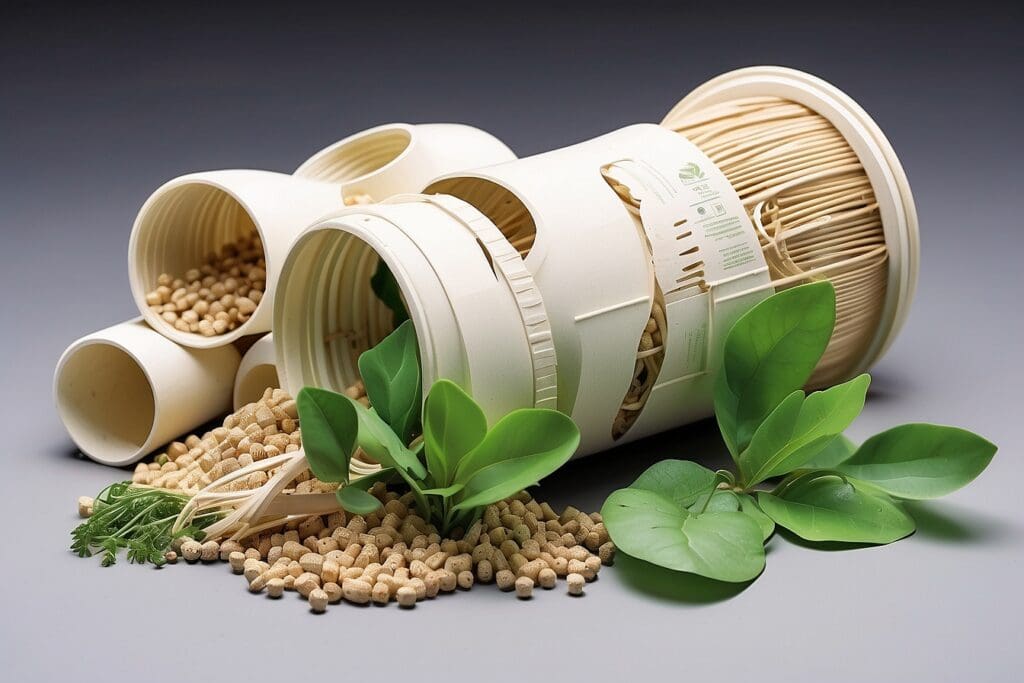
The answer is no, they are not all equally made. Currently, no federal standards exist to set standards for what exactly is a biodegradable product.6 Many companies are piggy backing on the concept of green and making consumer goods that contain biodegradable materials, but are not green at all. The American Society for Testing and Materials (ASTM) has created two provisions—ASTM D6400 and D6868—for biodegradable makers to abide by when making plastics, resins, and other biodegradable products.7;8 However, even with these standards many manufacturers have found labeling and marketing strategies to get around following the rules. If you are interested in making sure that you are getting the most sustainable products out there, here is one directory of products certified to be compostable in a managed facility (i.e., not just in your backyard).
What difference does using biodegradable products make?
The most marked difference is the environmental stance and culture that biodegradable products promote. Not only do petroleum based products not degrade in the environment or at the landfill, they also depend upon oil as a resource. In a time when oil is becoming scarce and no longer sustainable, it is imperative that we create alternatives to diminish our reliance on oil. Furthermore, biodegradable products are almost always made from recycled or organic matter that has a considerably lower carbon footprint and helps with curbing the problem of global warming/climate change . Above all else, this wave of biodegradable options is a key component to the green movement. It spreads awareness and educates individuals on how daily decisions can help make the earth a more sustainable place.9
Where are we now?
I am sorry to say that we are currently stuck in our trash can conundrum until federal standards and labeling practices come into play. While the government is cracking down on misleading marketing strategies and green cheaters, there is still much dirty play going on in the marketplace. As for the next time you go to the store looking for some green products, I suggest taking a look through the BPI catalog that certifies biodegradable products: http://www.bpiworld.org/BPI-Public/Approved/1.html. Let’s hope that soon we can be sending all of our waste to be composted instead of piling up in landfills!