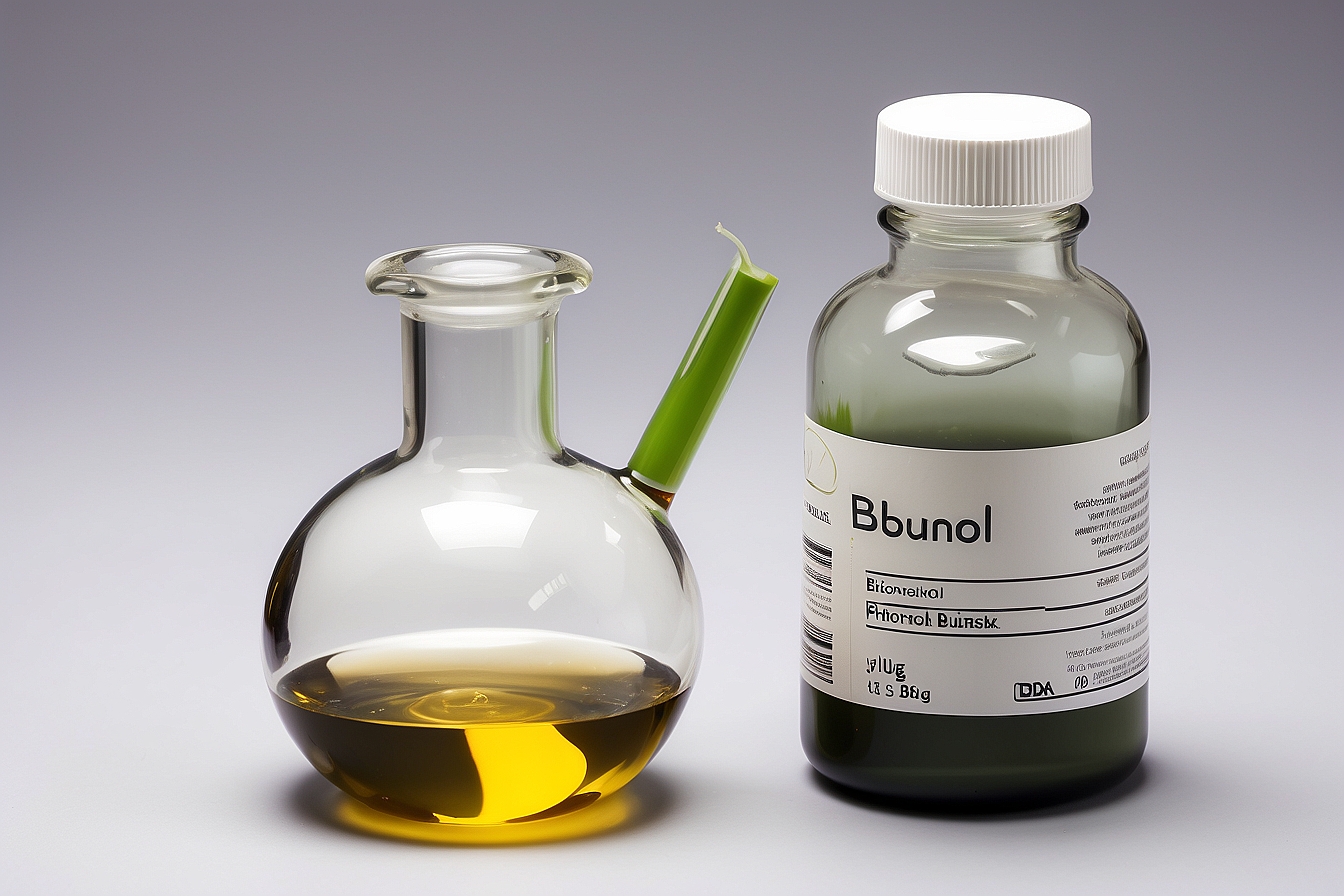
These days, it’s almost a dirty word—petroleum. The ‘p’ word, also called CRUDE OIL, is something we use everyday but don’t like to talk about. Instead, we prefer discussing wind and solar energy—the alternatives to that uncomfortable, dirty necessity: PETROLEUM. Petroleum is embedded in our daily lives, and does much more than just run our cars. Petroleum derived substances are found in products ranging from aspirin to polyester, and without them, our lives would look very different. Like a gull trapped beneath layers of sludge, it will not be easy to clean ourselves of petroleum.
Petroleum was formed millions of years ago when marine plants and animals died and were “buried by the ocean floor.”1 It is because of this that it derives its name, which means “rock oil or oil from the earth.”2 As layers of sand and silt accumulated on top of these plant and animal remains, “immense amounts heat and pressure” developed and “turn[ed] them into oil and gas.”3 We have drilled for this oil and gas since 1859, when the world’s first oil well was excavated in Titusville, Pennsylvania.4
We do much more than just burn petroleum for energy. In fact, it makes up many of our everyday items. Petrochemicals (chemical products made using petroleum) are present in all of the following products: aspirin, heart valves, refrigerators, hair coloring, lip stick, bandages, ammonia, rubbing alcohol, insect repellent, fertilizer, shag rugs, and polyester clothing.5 While shag rugs and 100% polyester clothing were arguably left to the 1970s, petroleum persists.
Petroleum is so pervasive because it provides hydrogen and carbon atoms, which are the “building blocks for plastics and synthetic materials of every kind.”6 Because a carbon atom has 4 bonds, it is an “especially useful atom for building molecules.”7 By connecting the hydrogen and carbon molecules in petroleum (usually through heating), a scientist can create an astounding variety of materials: while roughly half of a barrel of oil is used to create gasoline, the rest goes into making other products.8 In all, the average American uses the equivalent of “three-and-a-half gallons of oil and more than 250 cubic feet of natural gas per day.”9
Petroleum is everywhere. Following are some examples drawn from a list of 6000 different items made using petroleum.10
Petroleum is in your car, and not just in the tank! While petrodiesel is not as dirty as coal, is still responsible for nearly all CO2 emissions in the transportation sector.11 Even the benevolent sounding biodiesel is only actually 2% or 5% biodiesel, and the rest is petrodiesel. Driving around using SVO (straight vegetable oil) would be the most environmentally sound option, but even then, your car would be full of petroleum products. After all, your door handle, your dashboard, and your steering wheel are all made from petroleum. So are all the lubricants and transmission fluid in the engine.12Even an electric car uses electricity that travels through wires “coated by a petroleum product.”13
Petroleum is beneath your feet—the roads you are driving on are made of ASPHALT CONCRETE, which is one of the major substances produced using petroleum. Asphalt, which is present in most crude oils, is heated and mixed with rock to form asphalt concrete. It has been used since the beginning of civilization, when the Sumerians used it to caulk and waterproof ships beginning in 6,000 B.C.14 From then until now, asphalt has been used to mortar buildings, waterproof house roofs, and pave roads. Since the invention of the automobile, refined asphalt (rather than natural asphalt) has been used to pave the roads we drive on everyday.
Petroleum is on your feet—there is a good chance that your shoes contain rayon, a man-made, petroleum based product.15 They definitely have a rubber sole that is made from petroleum.
Petroleum is on the rest of your body too—if you have any POLYESTER on, that comes from petroleum. Plastic zippers and most buttons also are made from petroleum, as is your elastic waistband. If you wear glasses, there is a good chance they have polycarbonate lenses, and, of course, a plastic frame—both of which are petroleum products. If you opted to buy fake leather instead of real leather in an effort to reduce the massive carbon footprint of cows—well, it was a nice gesture, but that fake leather is actually plastic.
Petroleum is in your body—yes, petrochemicals are even in your body, and they entered it in a number of different ways. We ingest petrochemicals in food from PESTICIDES,16 many of which are classified by the EPA as “probable or possible forms of cancer in humans.”17 This should be all the incentive you need to consider buying only organic produce. Food stored in plastic, especially that made of PVS and polystyrene foam,18 has absorbed some of its packaging. If put in the microwave, it has absorbed even more.
Cosmetics contain a group of petrochemicals called Pthalates, which “are known to have endocrine disruptive properties,”19 and which enter your body through your porous skin. If your clothes are made of nylon or polyester, or coated with formaldehyde (probably),20 then they are “continuously giving off minute plastic vapors as they are warmed against your skin.”21 These vapors are inhaled, causing asthma. All these petrochemicals, absorbed in various ways, accumulate in body fat. There is a very clear correlation between a nationwide increase in petrochemicals and a nationwide increase in cancer: today, 1 in 2 men and 1 in 3 women will develop some form of cancer.22
The irony is that petroleum is present in things like fake fur, bike tires, and maybe even your ‘eco-friendly’ shopping bag. The hope is that, as petroleum becomes increasingly hard to extract from beneath the Earth’s crust, it becomes a little easier to extract from our everyday lives. Moving past petroleum benefits not just the environment, but our own health as well.